Why AAC?
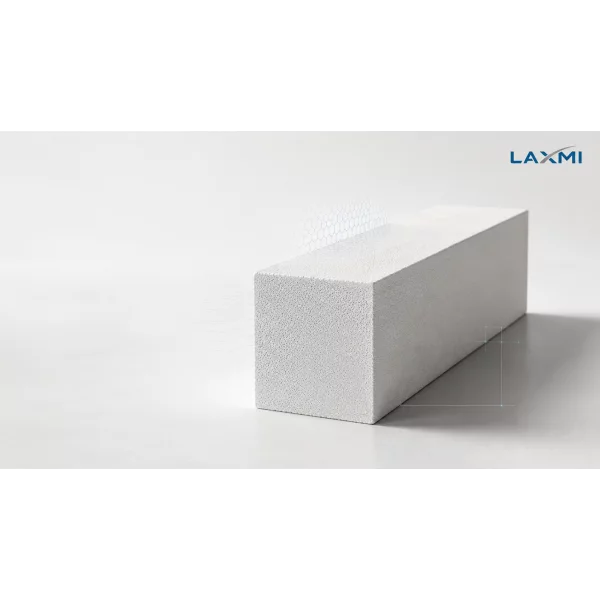
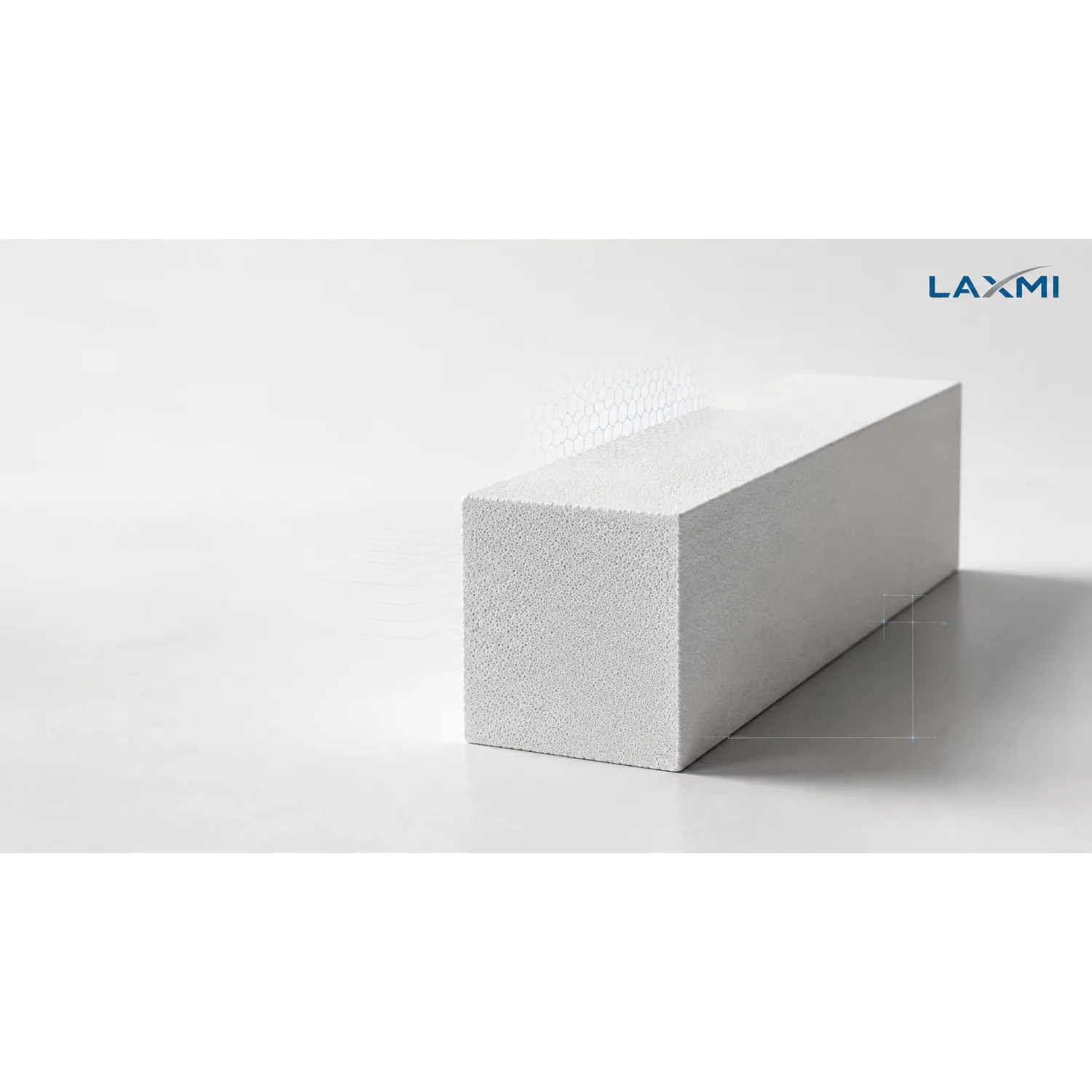
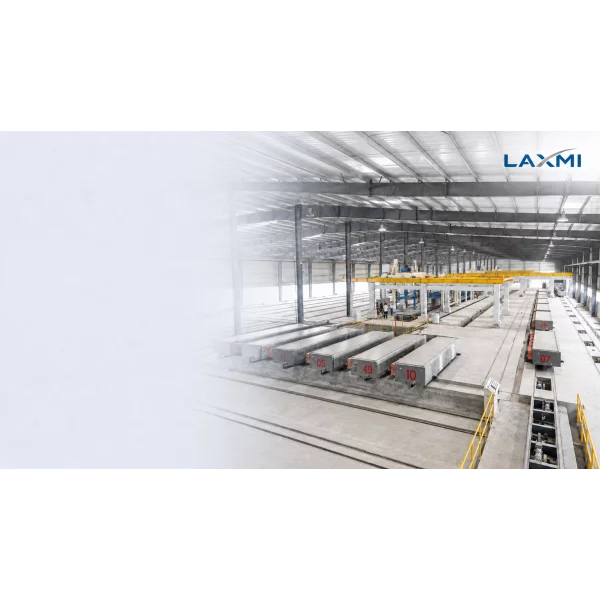
Details of AAC Block Manufacturing Unit
Why AAC Blocks? Advantages, Limitations and Quality
AAC (Autoclaved Aerated Concrete) blocks are lightweight, factory-produced masonry units known for lower wall dead load, thermal performance, dimensional consistency and efficient installation.
AAC is manufactured using materials such as sand or fly ash, cement, lime, gypsum, aluminium powder and water. The aluminium reaction creates a cellular structure in the green cake. After pre-curing and wire cutting, the blocks are cured in an autoclave using saturated steam. The complete process, from raw-material preparation to autoclaving, plays an important role in final product quality.
Key Advantages of AAC Blocks
• Lower wall dead load due to lower density • Better thermal performance because of the cellular structure • Controlled dimensions through wire cutting • Large and lightweight blocks for easier handling and installation • Non-combustible mineral-based material • Potential for efficient construction when the product and installation are properly controlled
Important Limitations
AAC blocks require proper transportation, stacking and handling to reduce chipping and breakage. Heavy fixtures require suitable AAC anchors. External walls need appropriate finishing and moisture protection. Incorrect mortar, excessive chasing or poor junction detailing can lead to cracks or finishing problems.
AAC Blocks vs Red Bricks
AAC and red bricks can both be suitable for construction. AAC generally offers advantages in weight, dimensional consistency and thermal behaviour. However, the right choice depends on the project.
The comparison should not be based only on block price. Freight, breakage, mortar, plaster, handling and installation should also be considered.
Why Manufacturing Quality Matters
AAC quality is created throughout the production process. Changes in raw materials, inaccurate dosing, unstable pore formation, poor green-cake handling, cutting errors or inconsistent autoclaving can affect density, strength, dimensions and saleable yield.
This is why an AAC plant should be considered as a complete production system rather than a collection of individual machines.
What AAC Plant Investors Should Consider
Before selecting an AAC plant, consider:
Target market and product requirements Raw-material availability and suitability Required production capacity Quality and testing requirements Utilities, manpower and maintenance Level of automation required Plant layout and future expansion
The right plant is not necessarily the biggest plant. It is the configuration that matches the market, investment, raw materials and operating requirements.
Laxmi En-Fab's Engineering Approach
Laxmi En-Fab evaluates AAC production as one connected system covering raw-material preparation, batching, mould handling, cutting, autoclaving, steam systems and finished-product handling.
Our focus is practical engineering, process control and reliable production—not automation for its own sake.
Planning an AAC Plant?
Start with your product, market, raw materials and required production capacity before selecting machinery.
Share your project location and production requirement with Laxmi En-Fab to discuss the suitable AAC plant configuration.
Discuss Your AAC Plant Requirement
Offered Product
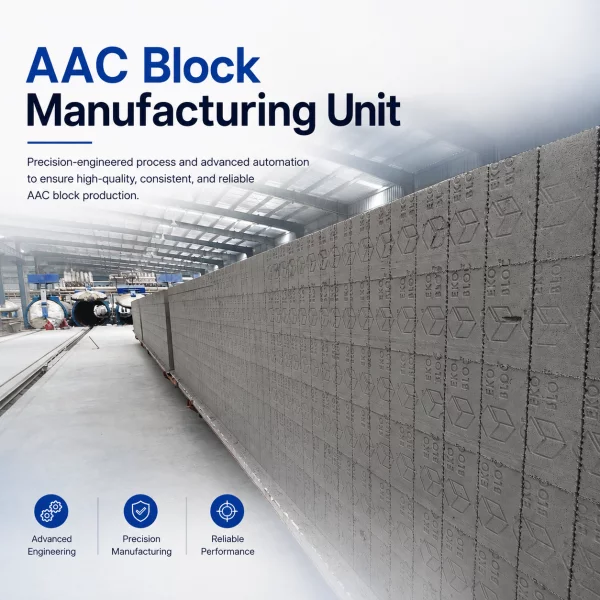
AAC Block Manufacturing Unit
Starting An AAC Block Production Business Needs More Than Arranging A Few Machines On A Factory Floor. The Complete Process Has To Work Together, From Raw Material Preparation And Batching To Mould Handling, Cutting, Steam Curing And Finished Block Handling. We Set Up AAC Block Manufacturing Unit Projects Across India And Manufacture The Main Machinery Required For A Practical Production Setup From Our Manufacturing Base In Ahmedabad, Gujarat.Our AAC Block Manufacturing Unit Is Planned Around ... Read moreHow To Compare Suppliers Before Finalizing
AAC Plant Buyer Guide: How To Compare Suppliers Before FinalizingChoosing An AAC Block Or AAC Panel Plant Supplier Should Not Be Based Only On The Lowest Machinery Price. An AAC Plant Is An Integrated Production System, And Quotations Can Differ In Equipment Scope, Automation, Utilities, Installation, Commissioning And Service Responsibilities.Before Comparing Prices, Make Sure Every Supplier Is Evaluated On The Same Technical And Commercial Basis.12 Important Factors To Compare1. Produc Continue
AAC Block Plant Machinery Supplier In Hyderabad
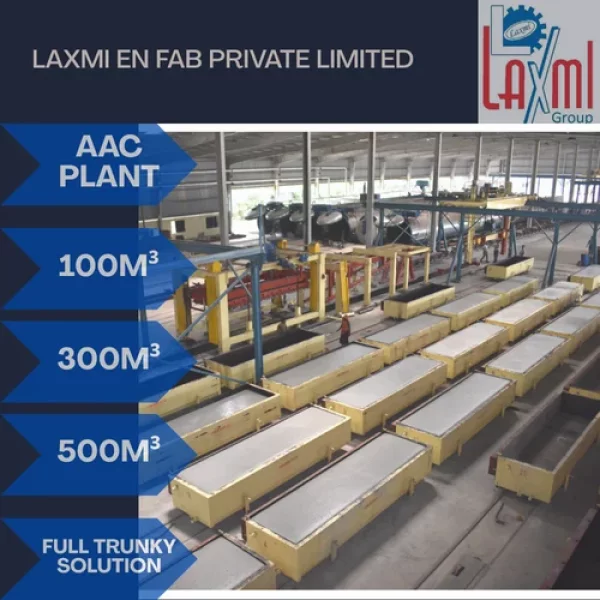
AAC Block Plant Machinery Supplier In Hyderabad – Laxmi En Fab Pvt. Ltd.Trusted AAC Block Plant Machinery Manufacturer & Supplier In HyderabadLaxmi En Fab Pvt. Ltd. Is A Leading AAC Block Plant Machinery Supplier In Hyderabad, Offering Advanced, Reliable, And Energy-efficient Machinery For Manufacturing Autoclaved Aerated Concrete (AAC) Blocks. With Years Of Industry Expertise And A Commitment To Innovation, We Provide Complete AAC Block Production Solutions Tailored To The Require Continue
MARKET DEMAND
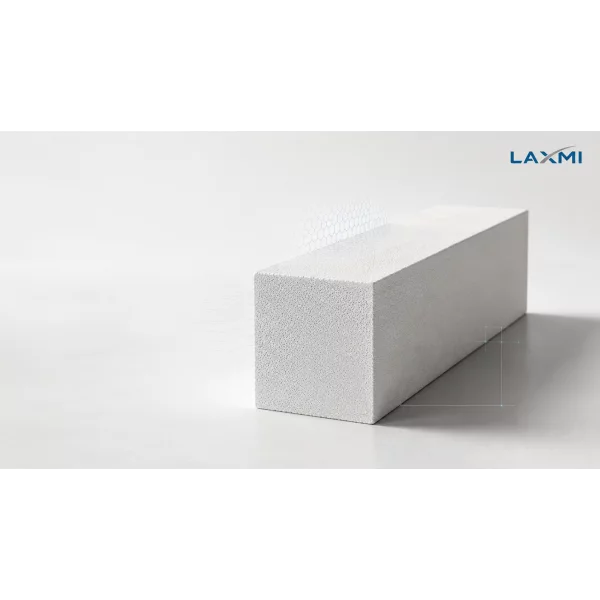
AAC Market Demand In India & Worldwide: Future Of AAC Blocks & Panels The Biggest Question Facing Every AAC Manufacturer, Investor And Project Developer Is No Longer “Does AAC Have A Future?” But “How Large Can The Market Become, And Where Will The Next Wave Of Demand Originate?” Structural Changes In The Construction Industry Are Driving Demand For AAC Blocks And AAC Wall Panels. Energy-efficiency Requirements, Shorter Construction Timelines And Labour Shortages Continue