AAC Batching System & Raw Material Preparation
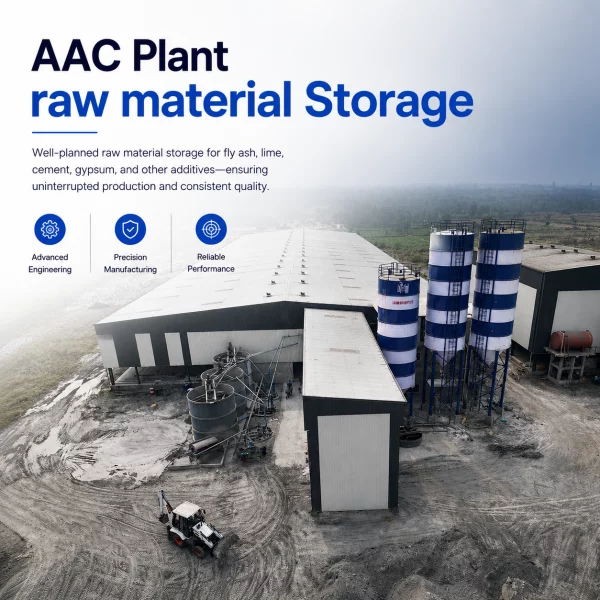
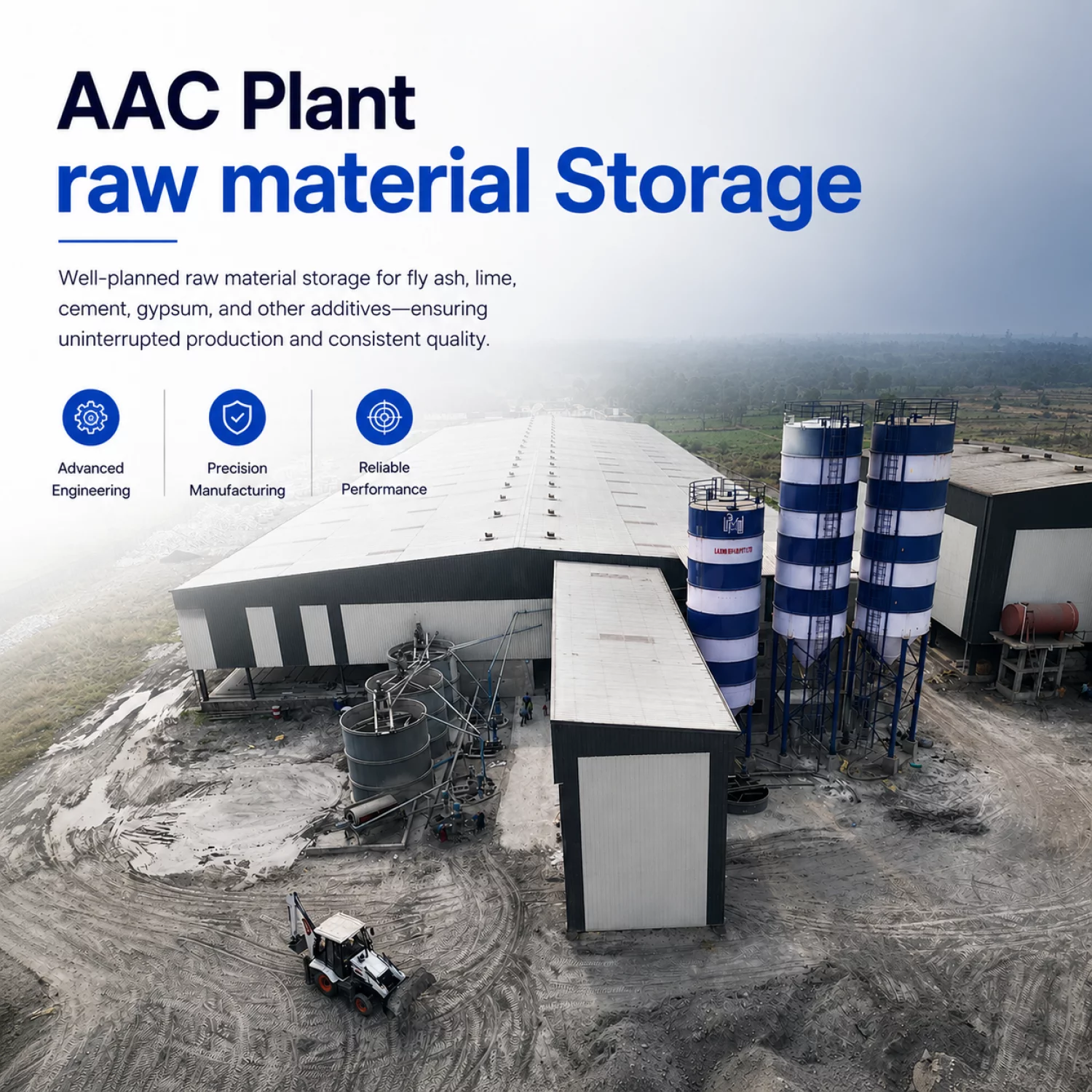
AAC Batching System & Raw Material Preparation Details
Every AAC block starts with a measured mix. Before the slurry reaches the mould, fly ash or sand, cement, lime, gypsum, aluminium and water have to come together in the right quantity and sequence. Our AAC Batching & Raw Material Preparation System in Ahmedabad is designed around this part of the process, where small changes in material quantity can affect the final block.
Raw Material Preparation Sets the Process Right
We handle the preparation stage based on the type and condition of siliceous material used in the AAC plant. Fly ash, pond ash, bottom ash and sand don't follow exactly the same route.
| Raw Material | Preparation / Handling | Next Stage |
|---|---|---|
| Dry Fly Ash | Screw conveyor transfer | Slurry preparation |
| Pond Ash / Bottom Ash | Loader-based handling | Slurry preparation |
| Sand | Grinding to required fineness | Slurry preparation |
Dry fly ash can be transferred from storage through a screw conveyor. Pond ash and bottom ash are generally handled in bulk with a loader, depending on their moisture, particle size and suitability for the selected formulation. When sand is used, grinding comes first because raw sand normally contains particles that aren't suitable for direct slurry preparation.
From Fine Material to Controlled Slurry
After preparation, the siliceous material is mixed with water to form the primary slurry. The slurry then passes through screening so oversize particles and unwanted material can be separated before the next stage.
Density checking is one of the important points here. A fixed slurry volume doesn't always mean a fixed amount of solid material. If density changes, the actual quantity of fly ash or sand entering the batch also changes. We therefore consider slurry density as part of the batching process rather than treating it as a minor check.
| Process Check | Why It Matters |
|---|---|
| Material preparation | Gets raw material ready for slurry processing |
| Screening | Removes oversize particles and foreign matter |
| Density control | Helps maintain stable solid content in slurry |
| Storage | Keeps prepared slurry ready for controlled batching |
| Automatic dosing | Reduces variation in raw material quantities |
Automatic Batching Based on the Production Recipe
The batching system isn't simply a group of weighing and feeding machines. Each material has a role in the final AAC mix, so the quantity and order of addition matter. We supply automatic batching arrangements for controlled dosing of slurry, cement, lime and other required materials based on the plant recipe.
Where automatic dosing is provided, gypsum and aluminium can also be controlled through the batching system. This reduces repeated manual measurement and gives the operator better control over the production cycle.
A typical process runs from slurry, cement, lime and gypsum into controlled mixing, followed by aluminium dosing, final mixing and discharge into the mould.
Aluminium Dosing Needs the Right Timing
Aluminium powder acts as the gas-forming material that creates the cellular structure of AAC. Its timing in the mixing cycle matters. We follow the process where aluminium is introduced through an automatic dosing arrangement around 12–20 seconds before discharge, followed by the final short mixing period before the batch enters the mould.
This sequence is important because adding aluminium too early or changing the final mixing time can affect the gas-forming reaction and the resulting pore structure. The actual timing should always be set according to the formulation and plant process.
Key Points Considered in System Planning
- Type and condition of siliceous material
- Required slurry density
- Raw material storage and transfer arrangement
- Sand grinding requirement where applicable
- Slurry screening and storage
- Automatic weighing and dosing
- Mixing sequence and mixer capacity
- Aluminium dosing timing
- Required level of plant automation
- Connection with mould filling and precuring sections
How the Complete Material Flow Comes Together
For a typical AAC production line, the process can be arranged as:
Siliceous Material → Preparation → Slurry Preparation → Screening → Density Control → Slurry Storage → Automatic Batching → Mixing → Aluminium Dosing → Final Mixing → Mould Filling → Precuring
Fly ash carbon content also needs attention during formulation. Depending on the characteristics of the fly ash, a soluble oil or another process additive may be required. We don't treat every raw material as identical because its actual properties can change the batching requirement.
What the System Brings to Daily AAC Production
Accurate dosing helps keep batch composition more consistent. Controlled slurry density supports better control of block density and strength, while proper mixing helps distribute the materials through the batch. Automatic aluminium dosing also gives better repeatability in the final part of the mixing cycle.
The system can reduce dependence on manual measurement and can be planned along with slurry preparation, raw material handling, mixing and plant automation. This approach makes more sense than selecting the batching section alone and trying to connect everything later.
From our manufacturing base in Ahmedabad, Gujarat, we provide AAC Batching & Raw Material Preparation Systems for AAC block plants across India. If you're planning a new AAC plant or upgrading an existing production line, share your raw materials, plant capacity and required automation level with us. We'll help you plan the batching and preparation arrangement around your actual process.
Related Products
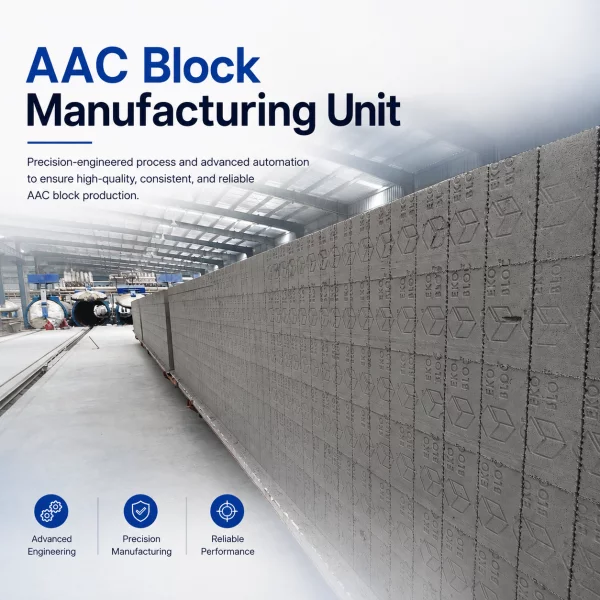
AAC Block Manufacturing Unit
Starting an AAC block production business needs more than arranging a few machines on a factory floor. The complete proc... Continue
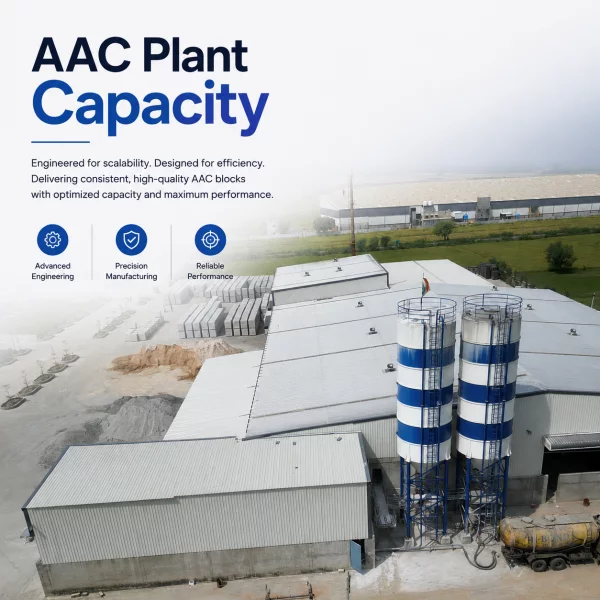
AAC Plant Capacity
Choosing an AAC plant capacity isn't only about deciding how many blocks you want to make in a day. The complete product... Continue
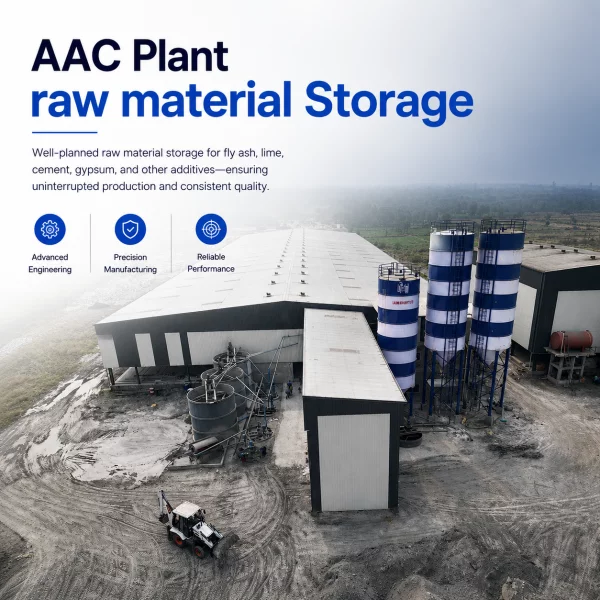
AAC Plant Raw Material Storage
Raw material storage can look like a simple part of an AAC plant, but poor planning here can create problems much later.... Continue
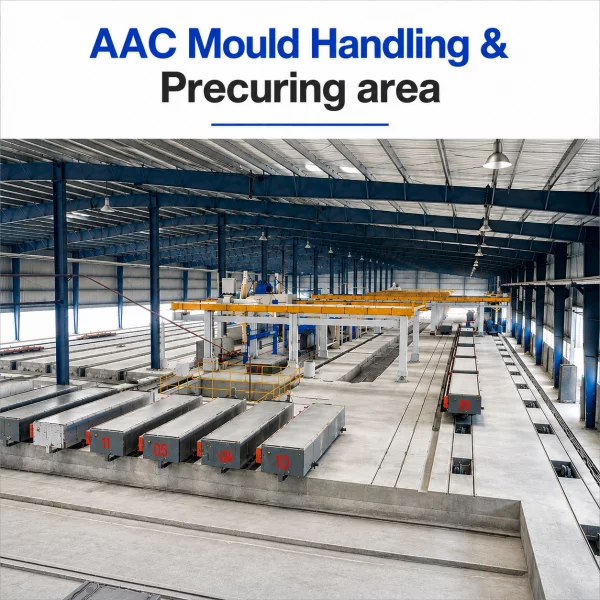
AAC Mould Handling & Precuring
Once the AAC slurry is poured into a mould, the production process has only started. The filled mould has to move to pre... Continue
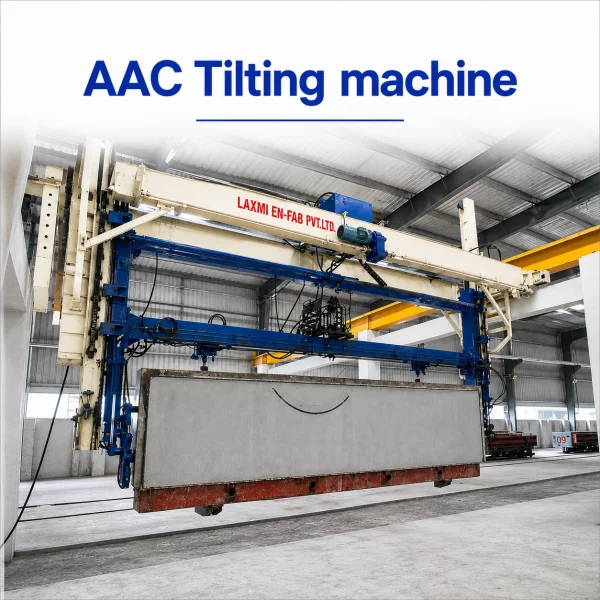
AAC Tilting Machine
There’s a short stage between precuring and cutting where the condition of the green cake can change the result of... Continue
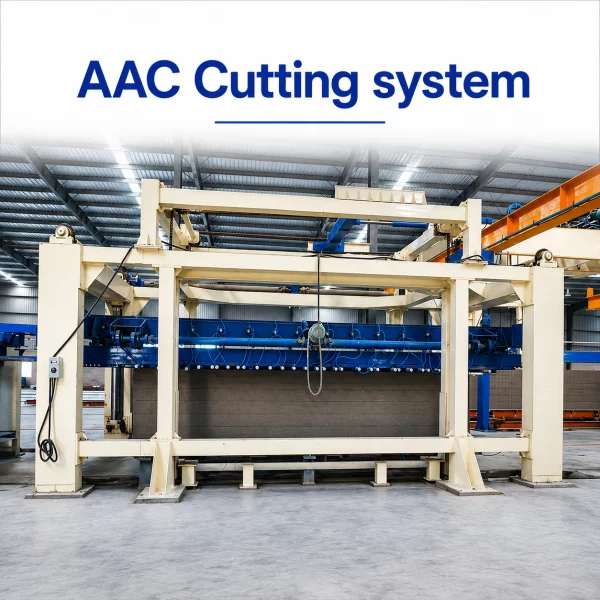
AAC Cutting System
Cutting is the stage where a freshly prepared AAC green cake starts taking the shape of the final block. A good cutting ... Continue
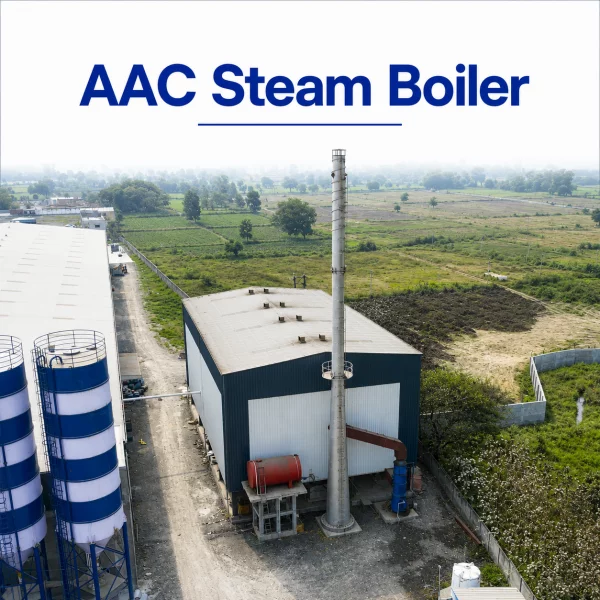
AAC Steam Boiler
In an AAC plant, the autoclave gets much of the attention, but the steam boiler is the part that feeds the entire curing... Continue

AAC Autoclave
Final AAC block strength is not created at the cutting stage alone. The most important transformation happens inside the... Continue
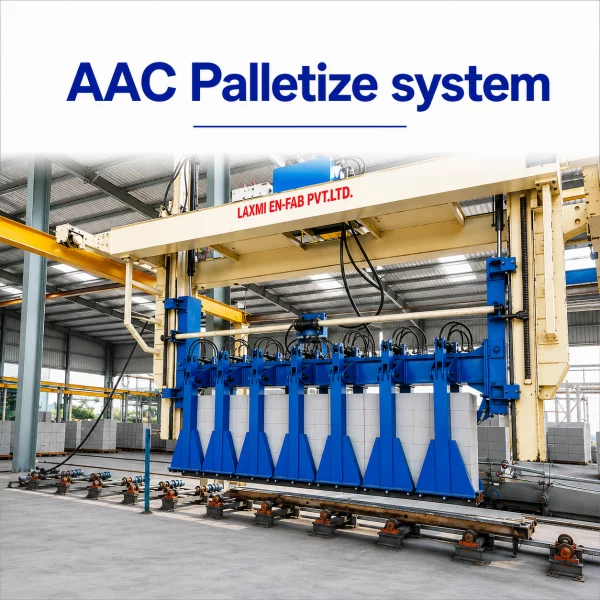
AAC Auto Palletizing System
AAC block production doesn't stop when the autoclave cycle is complete. The finished blocks still have to be unloaded, s... Continue