AAC Autoclave
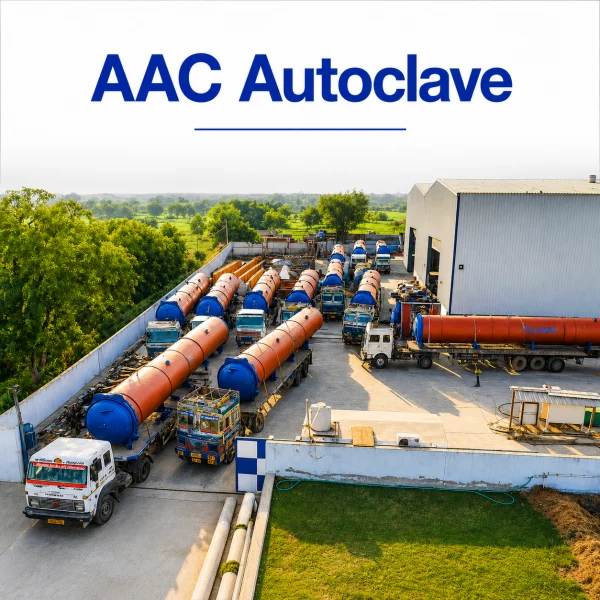
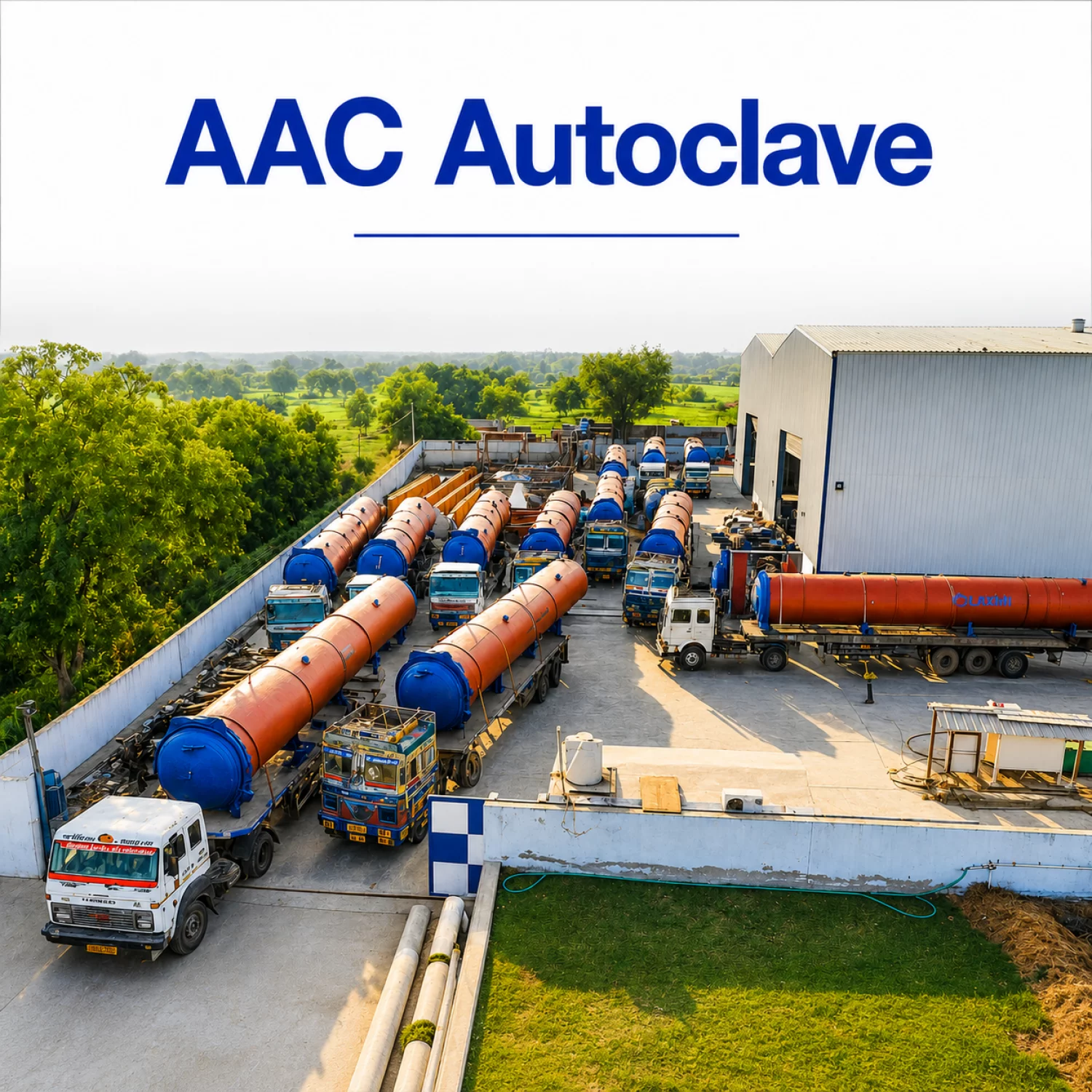
AAC Autoclave Details
Final AAC block strength is not created at the cutting stage alone. The most important transformation happens inside the autoclave, where freshly cut AAC cakes are cured with controlled high-pressure steam. We design AAC autoclave systems as an important part of the complete production line, with attention to steam flow, curing time, pressure control, safety and overall plant capacity.
We manufacture AAC Autoclave systems in Ahmedabad for AAC block production lines, with the design planned around steam pressure, curing cycle, cake loading, plant capacity, safety requirements and overall steam management.
Controlled Steam Curing for Stable AAC Blocks
An AAC autoclave is a horizontal pressure vessel used for hydrothermal curing of aerated concrete blocks. After cutting, the green cakes are placed on steam wagons and loaded into the autoclave. The controlled combination of steam pressure, temperature and curing time helps the blocks achieve their required strength, dimensional stability and finished quality.
| Process Stage | Typical Operation |
|---|---|
| Cake Loading | Cut cakes are grouped and loaded on steam wagons |
| Door Locking | Heavy-duty locking and pressure safety interlocks secure the vessel |
| Vacuum Stage | Air is removed before steam admission, typically for 10–15 minutes |
| Pressure Build-Up | Steam pressure is gradually increased, typically up to around 12.5 bar |
| Pressure Holding | Controlled pressure and temperature are maintained for curing |
| Depressurization | Pressure is reduced in a controlled manner with possible steam recovery |
| Unloading | Cured blocks are removed after safe pressure release |
How the AAC Autoclaving Cycle Works
The process begins with cake grouping according to the autoclave dimensions and production arrangement. Proper loading helps use the available internal space effectively and supports better steam circulation around the cakes.
After loading, the autoclave door is closed and secured through its locking arrangement. The safety system is designed to prevent unsafe opening while pressure remains inside the vessel. This is one of the most important parts of any high-pressure AAC plant.
A vacuum stage can then be used before steam admission. Removing trapped air helps steam reach the material more effectively. Steam is introduced gradually through the steam distribution system, allowing pressure to build in a controlled way rather than applying a sudden pressure change to the vessel and green cakes.
Pressure Holding Is Where Curing Takes Place
Once the required pressure and temperature conditions are reached, the batch remains under controlled conditions for the curing period. The hydrothermal reaction during this stage develops the final properties of AAC blocks. A stable curing profile is important for maintaining consistency from one production batch to another.
For a typical process arrangement, pressure build-up may take around 140–150 minutes and the holding period may be around 6 hours. Actual cycle timing depends on plant design, cake loading, recipe, autoclave configuration and operating conditions. Depressurization can take approximately 90–100 minutes and should also be controlled carefully.
Steam Recovery Can Improve Plant Efficiency
Steam management should not end when one autoclave cycle is complete. In a properly planned AAC plant, pressure released from one autoclave can be transferred to another autoclave where suitable, or recovered for applications such as precuring or feed-water heating.
This approach can reduce unnecessary steam loss and improve fuel utilization. The actual recovery arrangement depends on the number of autoclaves, operating sequence, boiler capacity and complete steam distribution design.
Construction and Safety Details to Consider
| Area | Important Consideration |
|---|---|
| Pressure Vessel | Suitable pressure-vessel-grade material and engineered construction |
| Door System | Heavy-duty locking with pressure-based safety interlocking |
| Steam Control | Controlled steam admission, isolation and pressure release |
| Monitoring | Reliable pressure and temperature indication |
| Protection | Safety valves and suitable pressure protection systems |
| Maintenance | Accessible inspection points and preventive maintenance provisions |
Pressure-vessel material quality is especially important because the autoclave repeatedly operates under elevated pressure and temperature. Materials such as BQ 516 Grade 70 may be used where specified by the engineering and applicable pressure-vessel requirements. Material selection, fabrication, inspection and testing should always follow the relevant design and statutory requirements.
Automation for Consistent Production Control
Manual steam operation may be suitable for smaller plants, while larger AAC production facilities can benefit from automated control. Automatic steam admission, pressure monitoring, interlocking and programmed cycle control help reduce manual errors and provide more repeatable operating conditions.
- Consistent pressure and temperature control
- Repeatable autoclaving cycles
- Improved operator safety
- Reduced chances of incorrect valve operation
- Better steam utilization and recovery control
- Improved production monitoring
- Better coordination with boiler and steam-handling systems
Designed as Part of the Complete AAC Steam Network
An autoclave performs best when it is matched with the rest of the plant. The complete arrangement normally follows:
Steam Boiler → Main Steam Header → Steam Distribution → AAC Autoclave → Pressure Holding → Steam Recovery/Transfer → Precuring or Heat Exchange
This connected approach helps match steam generation with autoclaving demand and supports better control of energy consumption. Autoclave selection should therefore consider the complete AAC plant capacity, number and dimensions of autoclaves, boiler capacity, cycle time, automation level, steam recovery arrangement and future expansion plans.
Questions to Check Before Selecting an Autoclave
- What is the required AAC plant production capacity?
- How many cakes can be loaded in one autoclaving cycle?
- What are the required autoclave dimensions and operating pressure?
- How will steam be supplied and distributed?
- Is automatic pressure and steam control required?
- How will excess steam be recovered or reused?
- What safety interlocking and pressure protection systems are included?
- Are the vessel materials, fabrication and testing suitable for the application?
If you are planning a new AAC block plant or upgrading an existing production line, we can help you evaluate the required autoclave arrangement according to plant capacity, cycle requirements, steam system and automation level. Share your required AAC plant capacity and project details with us for a suitable autoclave configuration and complete plant planning support in Ahmedabad, Gujarat and across India.
Related Products
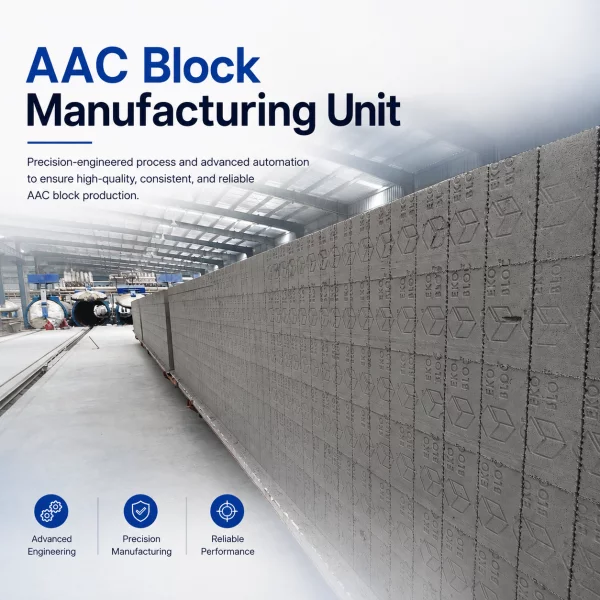
AAC Block Manufacturing Unit
Starting an AAC block production business needs more than arranging a few machines on a factory floor. The complete proc... Continue
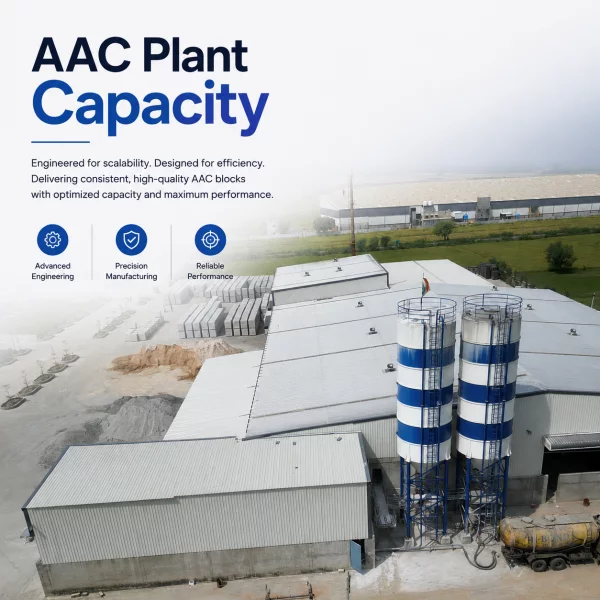
AAC Plant Capacity
Choosing an AAC plant capacity isn't only about deciding how many blocks you want to make in a day. The complete product... Continue
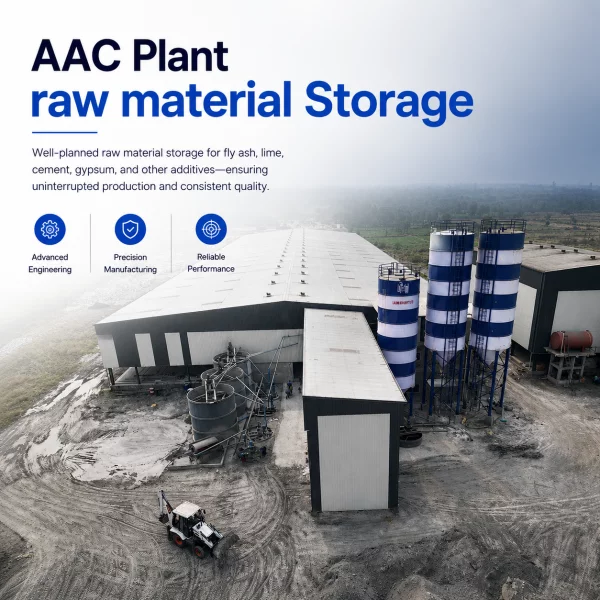
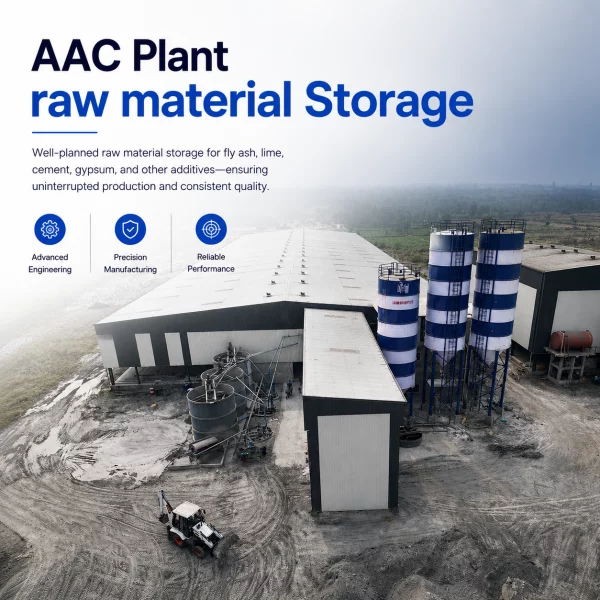
AAC Plant Raw Material Storage
Raw material storage can look like a simple part of an AAC plant, but poor planning here can create problems much later.... Continue
AAC Batching System & Raw Material Preparation
Every AAC block starts with a measured mix. Before the slurry reaches the mould, fly ash or sand, cement, lime, gypsum, ... Continue
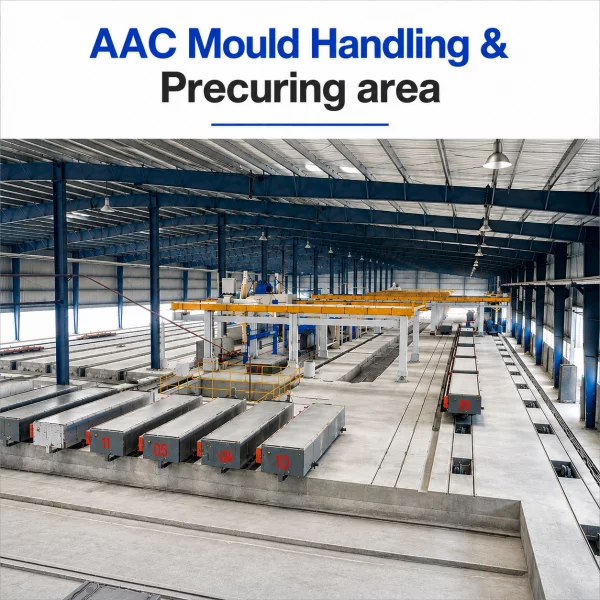
AAC Mould Handling & Precuring
Once the AAC slurry is poured into a mould, the production process has only started. The filled mould has to move to pre... Continue
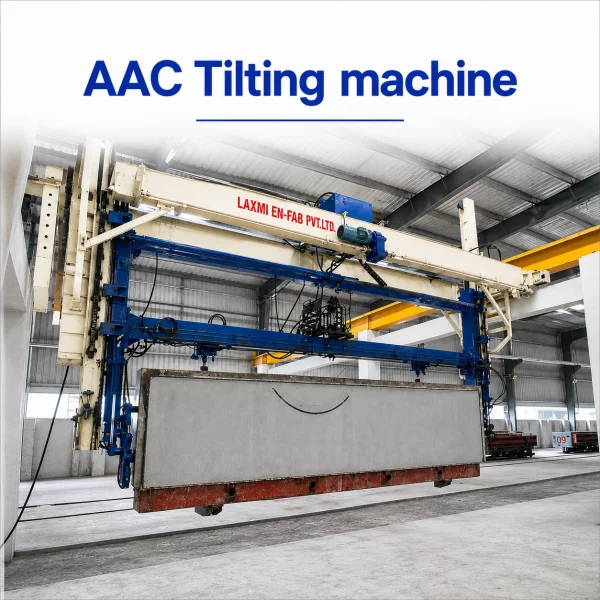
AAC Tilting Machine
There’s a short stage between precuring and cutting where the condition of the green cake can change the result of... Continue
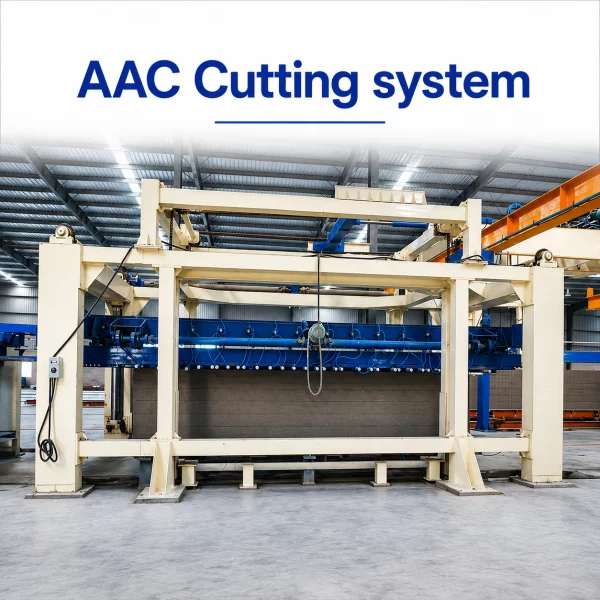
AAC Cutting System
Cutting is the stage where a freshly prepared AAC green cake starts taking the shape of the final block. A good cutting ... Continue
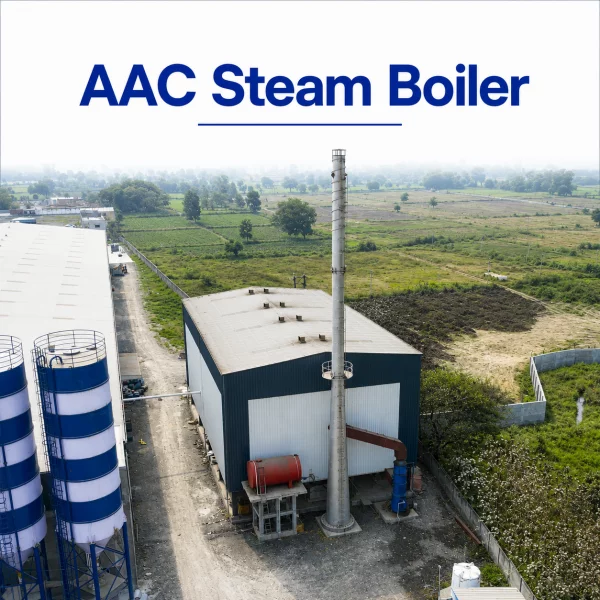
AAC Steam Boiler
In an AAC plant, the autoclave gets much of the attention, but the steam boiler is the part that feeds the entire curing... Continue
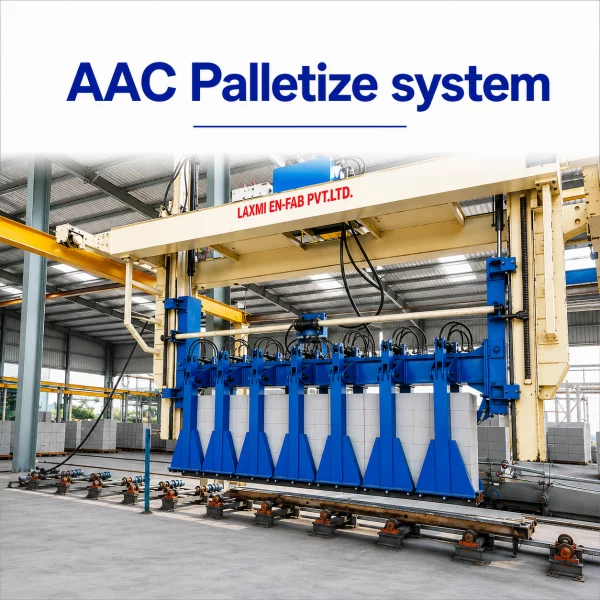
AAC Auto Palletizing System
AAC block production doesn't stop when the autoclave cycle is complete. The finished blocks still have to be unloaded, s... Continue