AAC Tilting Machine
AAC Tilting Machine Details
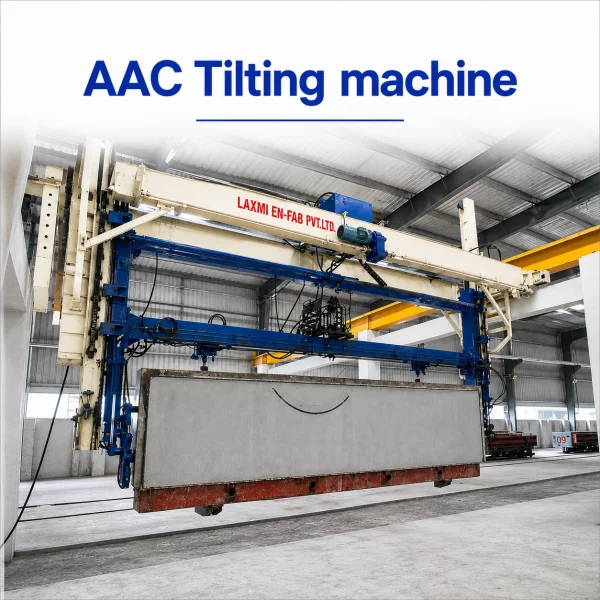
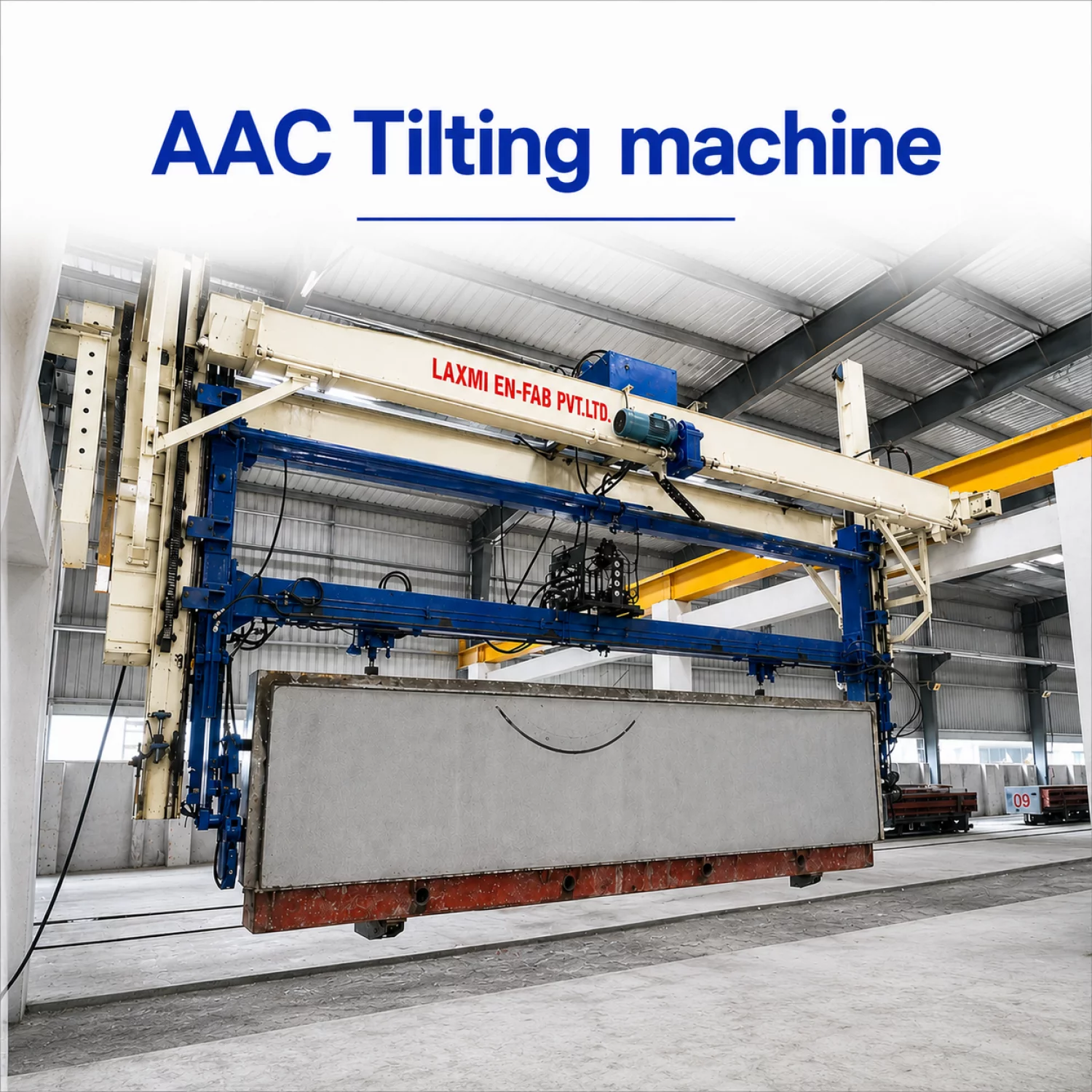
There’s a short stage between precuring and cutting where the condition of the green cake can change the result of the whole production cycle. The cake has gained enough strength to be handled, but it still needs careful movement. Our AAC Tilting Machine is used at this point to turn the mould, separate the mould from the green cake and prepare the cake for the next cutting operation.
We manufacture AAC Tilting Machine in Ahmedabad, Gujarat, for AAC block manufacturing plants across India. The equipment is also known as an AAC tilting crane or mould tilting system. Its job isn't simply to lift the mould. It has to complete several movements in the correct order without giving the partially cured cake unnecessary shock.
Where the Tilting Machine Fits Into AAC Production
After casting, the mould with the fresh mix moves to the precuring section. The precuring period can commonly be around 2–3 hours, although the actual time depends on mix design, temperature and raw material conditions.
Once the green cake reaches the required handling condition, the tilting machine takes over. It moves the mould through a controlled sequence before the cake reaches the cutting system.
| Process Stage | Main Activity |
|---|---|
| Precuring | Green cake develops enough strength for controlled handling. |
| Mould Pickup | The tilting system picks up the mould from the precuring position. |
| Tilting | The mould is tilted approximately 90°. |
| Side Plate Release | The side plate is unlocked and released. |
| Cake Separation | The mould is separated carefully from the partially cured cake. |
| Cake Support | The cake is locked with a supporting plate. |
| Return Movement | The cake is brought back to its upright position and the empty mould returns to the mould return station. |
Why Controlled Movement Matters More Than Simple Lifting
A standard crane can lift a load, but AAC cake handling needs more control than that. The machine has to manage lifting, tilting, acceleration, deceleration, side-plate unlocking, cake separation and supporting plate locking as part of one sequence.
The green cake is in a sensitive condition at this stage. A sudden movement can create cracks, damaged corners, deformation or surface marks. These problems can then appear again during cutting, where damaged cakes can increase rejection and material loss.
So, when we discuss an AAC Tilting Machine, lifting capacity is only one part of the selection. The movement of the cake matters just as much.
What the Tilting Process Needs to Protect
- Green cake shape during mould separation
- Cake corners and edges during movement
- Surface condition before wire cutting
- Correct locking of the supporting plate
- Safe side-plate release
- Stable tilting movement around the required angle
- Reliable return of the empty mould
When these operations are repeated cast after cast, consistent handling becomes important. A small issue that happens once may not mean much. The same issue repeated throughout production can turn into regular rejection and wasted material.
Reliability Matters When Production Can't Wait
A breakdown in the tilting section can affect more than one machine. The green cakes waiting for handling continue to harden. If a stoppage lasts too long, some cakes may become unsuitable for proper cutting.
With several moulds waiting in the production line, the loss can become much larger. This is why regular inspection and preventive maintenance should be part of normal plant operation.
| Area to Inspect | What to Check |
|---|---|
| Lifting and Tilting Mechanism | Movement, wear and abnormal operation |
| Gearbox and Drives | Noise, vibration, lubrication and general condition |
| Bearings | Wear, lubrication and unusual movement |
| Chains / Transmission | Condition, alignment and wear |
| Braking System | Reliable stopping and controlled movement |
| Sensors and Limit Switches | Correct operation and positioning |
| Locking Mechanisms | Proper mould and cake support |
| Electrical Controls | Control operation and safety functions |
| Safety Interlocks | Correct response during operating conditions |
Important Selection Points for an AAC Plant
Before selecting an AAC Tilting Machine, we recommend looking beyond basic capacity figures. The system should suit the complete mould handling and cutting arrangement of the plant.
- Required mould and cake handling capacity
- Smoothness of lifting and tilting movement
- Approximate 90° mould tilting requirement
- Side plate release arrangement
- Green cake supporting and locking arrangement
- Compatibility with the mould return system
- Drive, gearbox and transmission arrangement
- Safety controls and interlocks
- Ease of inspection and preventive maintenance
- Integration with precuring and AAC cutting sections
Technical Planning Details
| Parameter | Planning Basis |
|---|---|
| Equipment | AAC Tilting Machine / Tilting Crane |
| Application | Green cake and mould handling after precuring |
| Tilting Angle | Approximately 90° |
| Process Position | Between precuring and cutting |
| Cake Handling | Controlled separation and supporting plate locking |
| Mould Handling | Pickup, tilting, release and return movement |
| Maintenance | Regular inspection of drives, bearings, brakes, sensors, locking parts and controls |
A Practical Link Between Precuring and Cutting
We supply AAC Tilting Machine in Ahmedabad for AAC block plants where controlled green cake handling is required. We can plan the machine around the mould arrangement, production capacity and cutting system used in the plant.
If you're setting up a new AAC block manufacturing plant or upgrading an existing production line anywhere in Gujarat or India, share your plant capacity and mould details with us. We'll help you select a suitable AAC tilting arrangement for the complete production flow.
Related Products
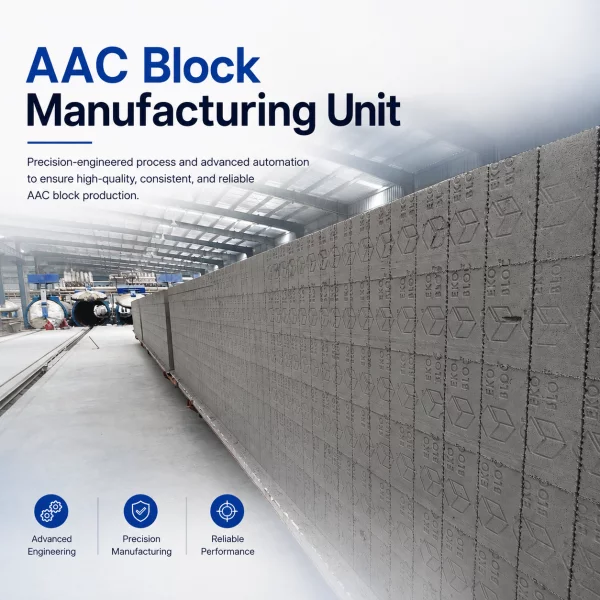
AAC Block Manufacturing Unit
Starting an AAC block production business needs more than arranging a few machines on a factory floor. The complete proc... Continue
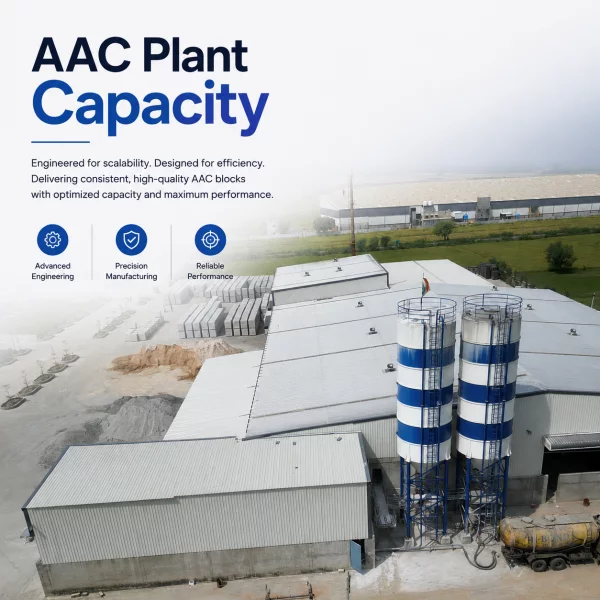
AAC Plant Capacity
Choosing an AAC plant capacity isn't only about deciding how many blocks you want to make in a day. The complete product... Continue
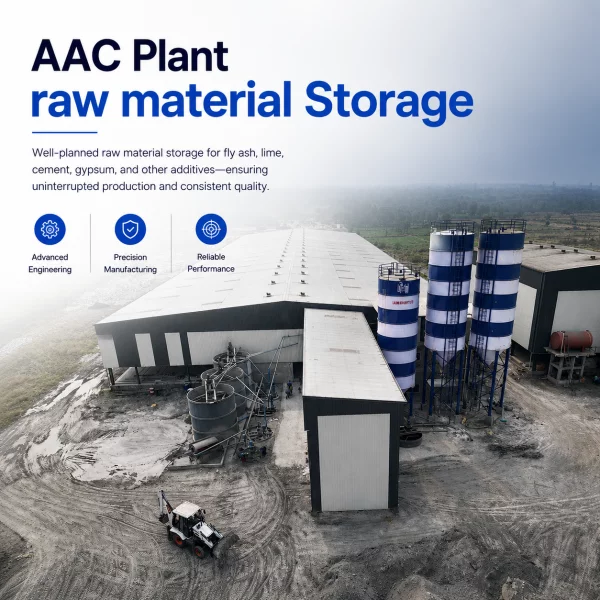
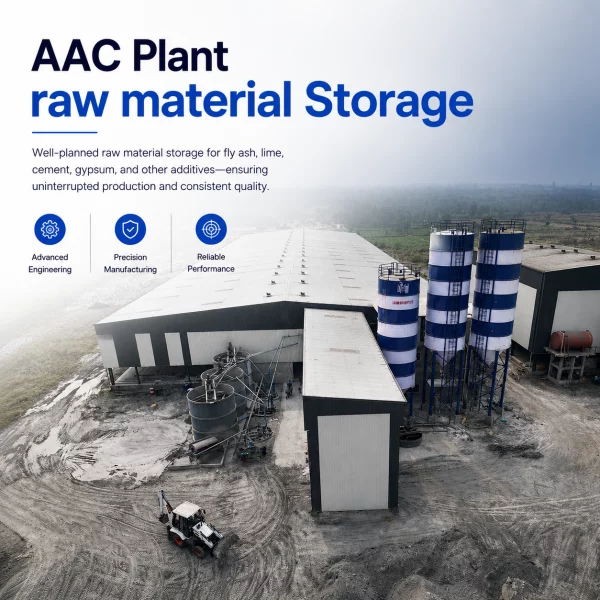
AAC Plant Raw Material Storage
Raw material storage can look like a simple part of an AAC plant, but poor planning here can create problems much later.... Continue
AAC Batching System & Raw Material Preparation
Every AAC block starts with a measured mix. Before the slurry reaches the mould, fly ash or sand, cement, lime, gypsum, ... Continue
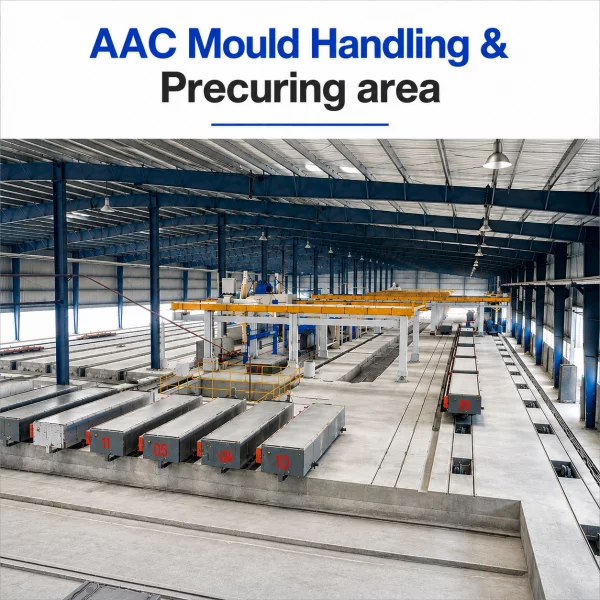
AAC Mould Handling & Precuring
Once the AAC slurry is poured into a mould, the production process has only started. The filled mould has to move to pre... Continue
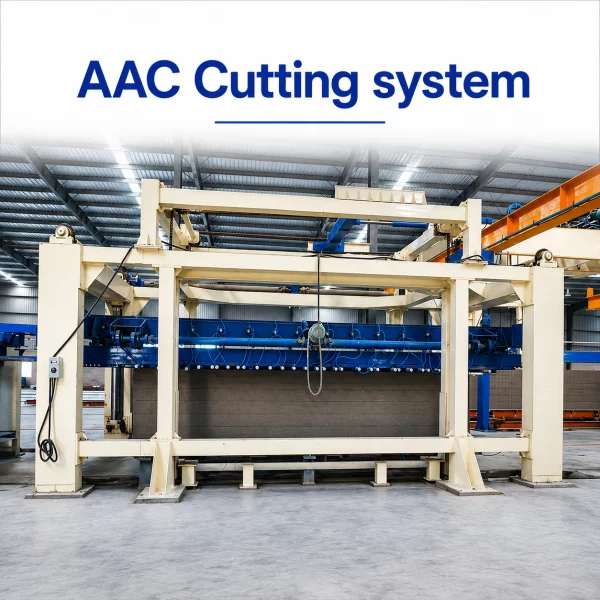
AAC Cutting System
Cutting is the stage where a freshly prepared AAC green cake starts taking the shape of the final block. A good cutting ... Continue
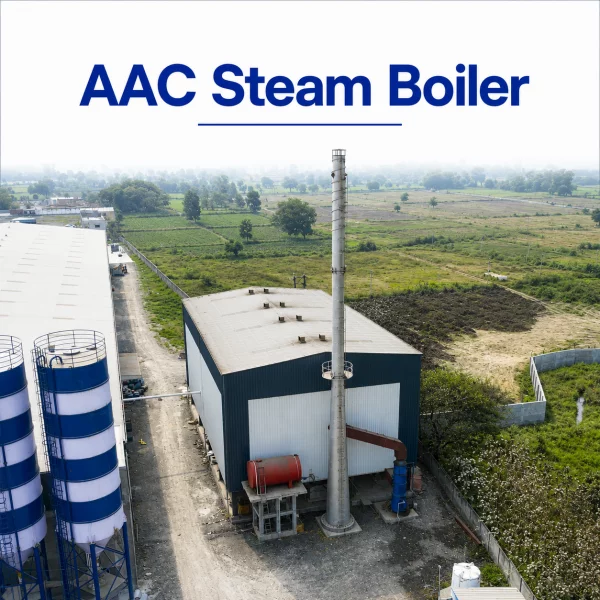
AAC Steam Boiler
In an AAC plant, the autoclave gets much of the attention, but the steam boiler is the part that feeds the entire curing... Continue

AAC Autoclave
Final AAC block strength is not created at the cutting stage alone. The most important transformation happens inside the... Continue
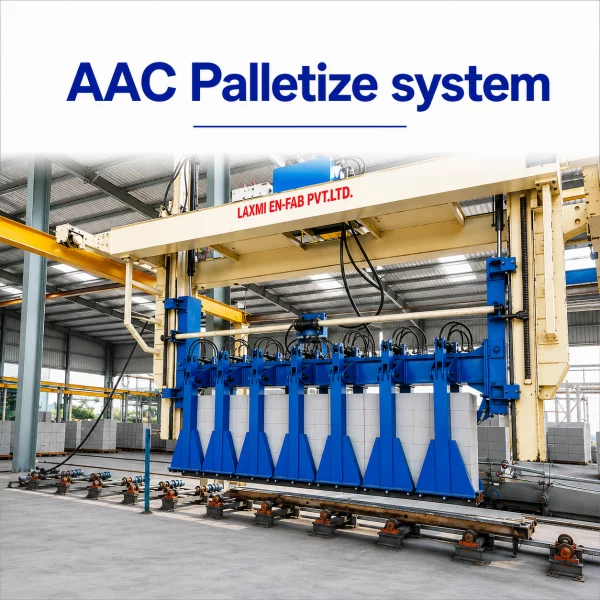
AAC Auto Palletizing System
AAC block production doesn't stop when the autoclave cycle is complete. The finished blocks still have to be unloaded, s... Continue