AAC Block Manufacturing Unit
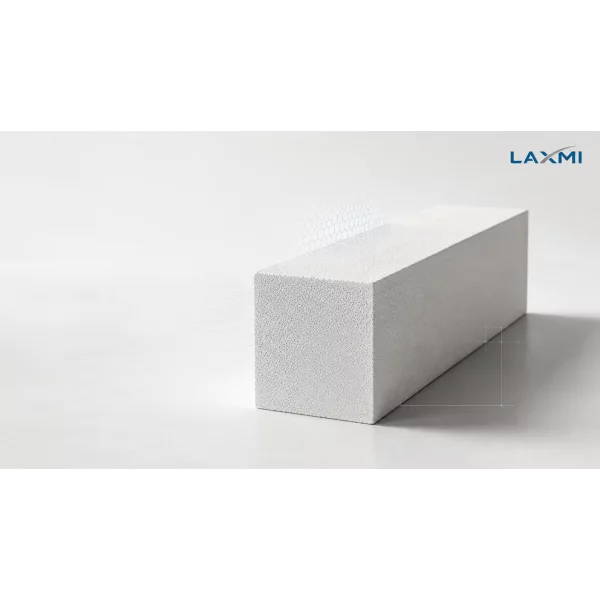
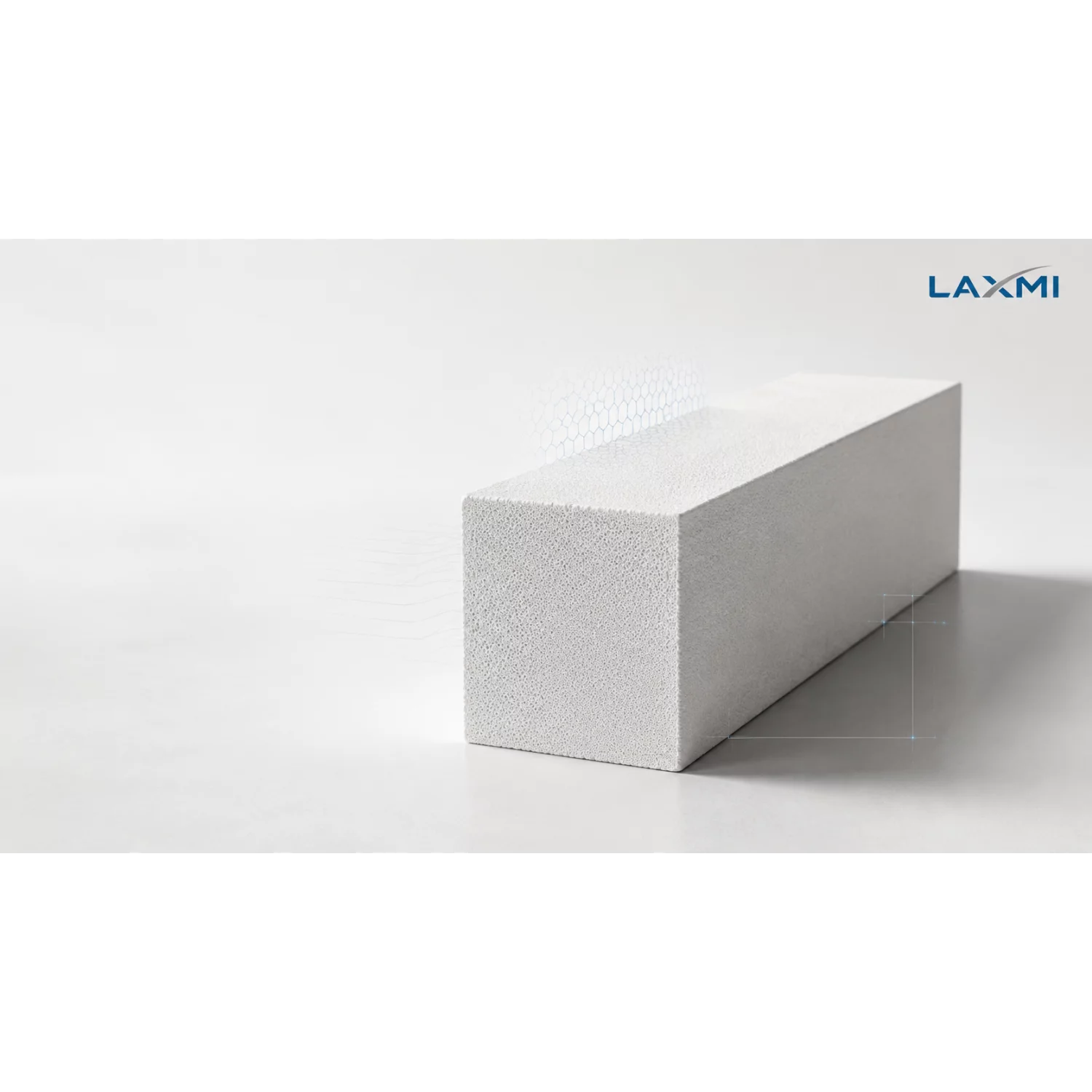
Details of AAC Autoclave
FUTURE OF AAC BLOCKS IN INDIA
India’s construction industry is moving toward faster construction, better labour productivity, consistent quality and lightweight building materials. AAC blocks address many of these requirements through factory-controlled manufacturing.
AAC blocks are larger, lighter and more dimensionally consistent than conventional clay bricks. Their lower density can reduce wall dead load, while their cellular structure provides useful thermal performance. Actual project benefits depend on product quality, design and workmanship.
Why Is AAC Adoption Growing?
The future demand for AAC is expected to be influenced by:
• Faster construction and improved walling productivity • Lightweight construction for suitable building applications • Thermal performance and energy-conscious construction • Consistent block dimensions, density and strength • Increasing demand from organised construction projects • Development of products such as panels, lintels and special sizes • Greater use of automation and controlled manufacturing
AAC will not replace every traditional walling material. Clay bricks, fly ash bricks, concrete blocks and AAC will continue to coexist. AAC is most likely to gain market share where its advantages in weight, speed, accuracy and handling create measurable project value.
What Does This Mean for AAC Plant Investors?
A growing national market does not automatically make every location suitable for a new AAC plant.
Before investing, an entrepreneur should evaluate:
1. Regional Demand Understand realistic consumption in the proposed sales territory and identify major customer segments.
2. Existing Competition Study nearby AAC plants, their capacity, product quality, pricing, utilisation and distribution network.
3. Delivery Economics AAC is a high-volume product, so freight, road access and unloading can strongly influence the delivered selling price.
4. Raw Materials Availability alone is not enough. Representative raw materials should be tested before finalising the process and plant configuration.
5. Plant Capacity The right capacity should match realistic market demand, expected ramp-up, working capital and future expansion.
6. Product Quality Future competition will depend on consistent density, strength, dimensions, appearance and reliable supply—not installed capacity alone.
7. Sales Network Dealers, project customers, transportation, credit control and technical customer support should be planned along with the plant.
Technology Is Also Evolving
The future of AAC manufacturing is not simply about maximum automation. The focus is on intelligent and practical automation.
Automation can improve process consistency, safety, material handling, traceability and product quality. Depending on the project, a hybrid system combining automatic and semi-automatic operations may provide a more practical solution.
Important areas include:
• Process monitoring and quality control • Efficient steam and energy management • Automated material handling • Cake handling, separation and palletising • Modular plant expansion • Flexibility for changing product requirements
The Investor's Reality
A successful AAC plant requires more than good machinery. Market demand, raw materials, plant capacity, process control, automation, utilities, product quality and distribution must work together.
At Laxmi En-Fab, we approach AAC projects from an engineering perspective. We help customers evaluate the market, location, capacity, raw materials, plant configuration, automation and future expansion before finalising the investment.
Planning an AAC Plant?
Share your proposed location, expected capacity, raw-material availability and project stage with our team for an engineering-led discussion.
Offered Product
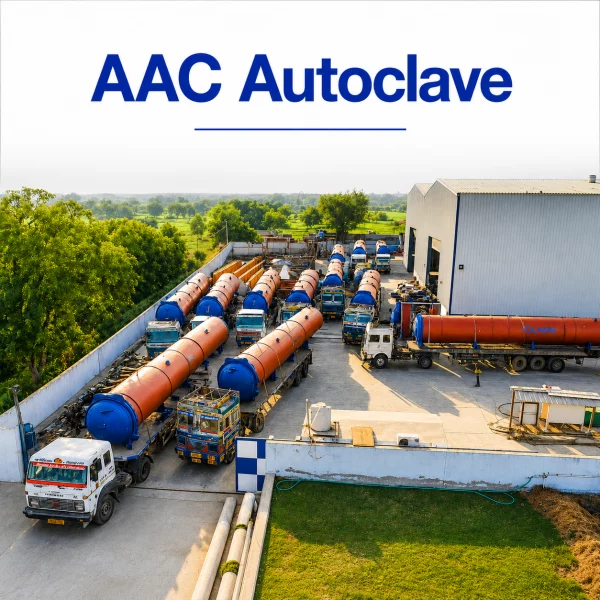
AAC Autoclave
Final AAC Block Strength Is Not Created At The Cutting Stage Alone. The Most Important Transformation Happens Inside The Autoclave, Where Freshly Cut AAC Cakes Are Cured With Controlled High-pressure Steam. We Design AAC Autoclave Systems As An Important Part Of The Complete Production Line, With Attention To Steam Flow, Curing Time, Pressure Control, Safety And Overall Plant Capacity.We Manufacture AAC Autoclave Systems In Ahmedabad For AAC Block Production Lines, With The Design Planned Arou... Read moreAAC Autoclave Supplier In Chennai
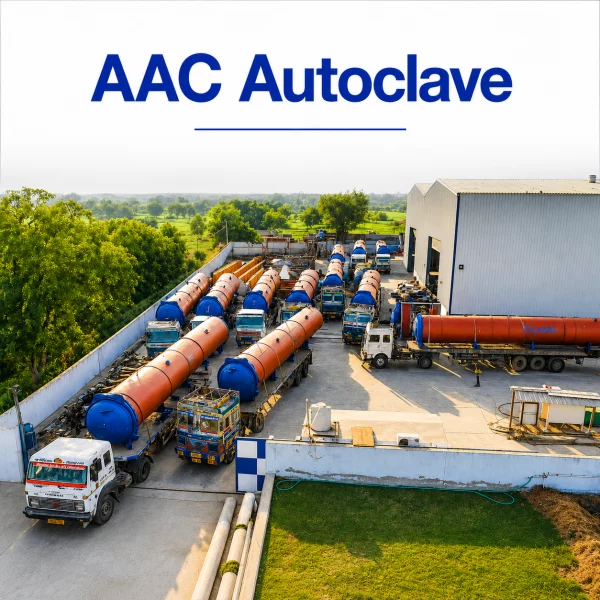
As A Dedicated AAC Autoclave Supplier In Chennai, We Focus On Delivering Machines That Meet Precise Standards To Match Your Production Needs. Our Equipment Is Built Tough For Consistent Curing And Reliable Operation, Tailored For Varying Plant Capacities.Steam Pressure Must Stay Within Strict Limits During Autoclaving To Avoid Damage Or Weak Blocks. Overpressure Risks Structural Faults, While Underpressure Can Lead To Incomplete Curing And Lower Product Strength. Monitoring Controls And Safety V Continue
AAC Autoclave Manufacturer In Mumbai
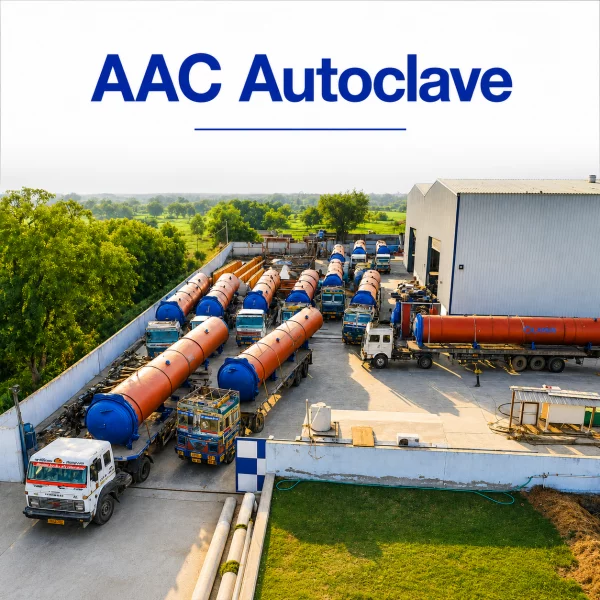
We Manufacture AAC Autoclave In Mumbai With A Commitment To Quality And Excellence, Tailored To Fulfill The Demanding Requirements Of Your Business Operations. Our Autoclaves Are Built To Manage High-pressure Steam Curing Crucial For AAC Block Production, Giving Steady Performance Even Under Heavy Loads. Installation Is Straightforward But Needs Careful Alignment With Plant Layout And Existing Systems To Avoid Delays Or Operational Hiccups.Our Infrastructure Includes Advanced Welding Equipment, Continue
AAC Autoclave Supplier In Surat
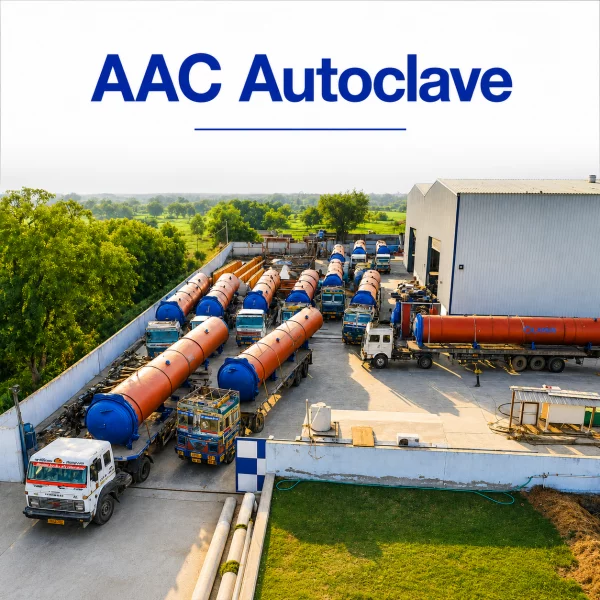
We Focus On Supplying AAC Autoclaves In Surat That Balance Cost And Performance Well. The Aim Is To Help Customers Get Reliable Curing Systems Without Overspending But Still Keeping Quality In Check.The Autoclaves We Offer Come With Steam-tight Design For Steady Pressure Control. They Fit Different Plant Sizes, From Small Batch Setups To Large Continuous Lines. We Handle Both Horizontal And Vertical Models Depending On Space And Workflow Needs. The Sealing System Minimizes Steam Loss, Which Matt Continue